Construction of Memory
Saturday, November 7, 2026, 2–5 PM
Cinelounge Sunset
6464 Sunset Blvd., Los Angeles, CA 90028
Free admission | RSVP
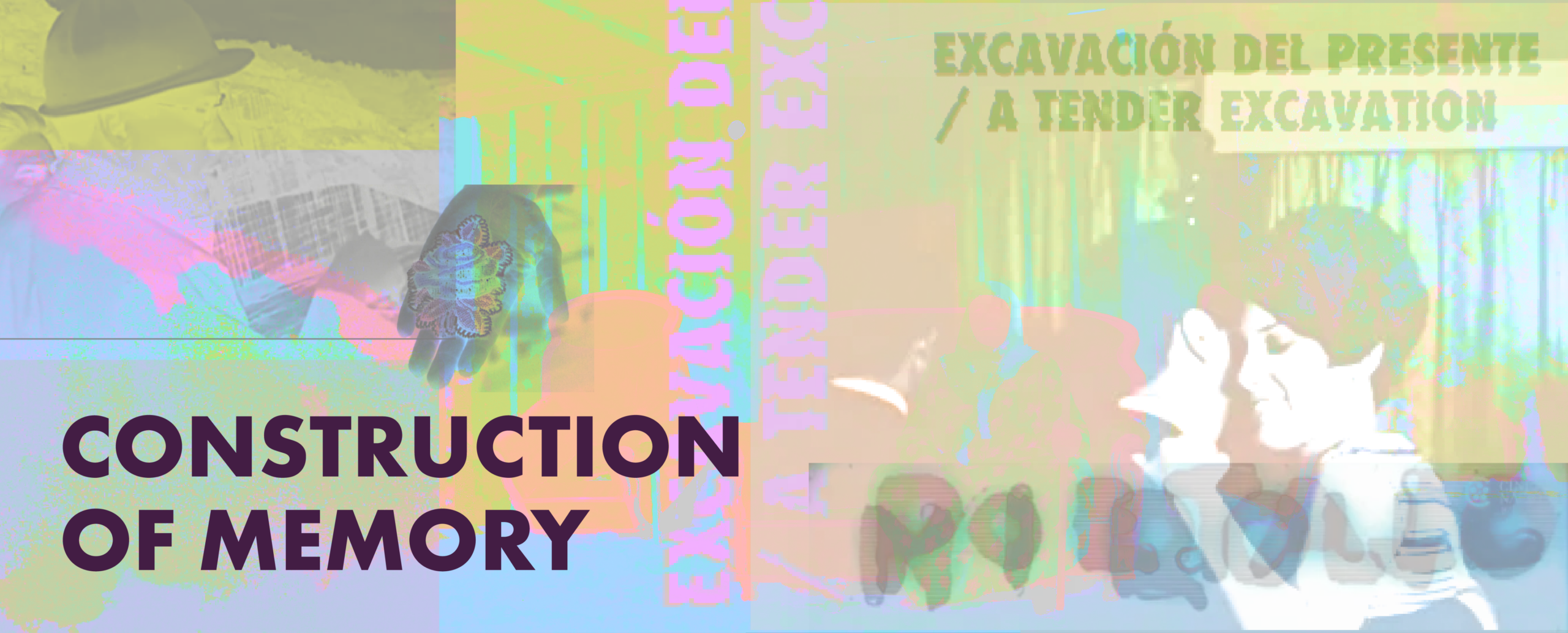
The LACE Screening Room presents Construction of Memory, a film program curated by Selene Preciado as a companion to Excavación del presente, the Mexico presentation of LACE’s exhibition A Tender Excavation, which was on view at Centro Cultural Tijuana (CECUT) from June 12–August 30, 2026.
Construction of Memory presents a selection of film and video works that explore family legacy, ancestral knowledge, and language through personal and familial archives, featuring films by Inas Halabi, Sky Hopinka, Ruth Ozeki, and Kyzza Terrazas, with bilingual subtitles in English and Spanish. The program is followed by a performance by Los Angeles-based artist Miller Robinson.
Film Program
Inas Halabi, Mnemosyne (2016), 13 min.
The title of the work is borrowed from the Titan goddess of memory and the “inventress of language and words.” The starting point for the project is a scar on the forehead of the artist’s grandfather. The scar was a result of a bullet shot in his direction by an Israeli soldier in the late 1940s. Focusing on the sagas of myth and the construction of memory, members of the same family are filmed individually as they narrate their version of the same event. By scratching the surface of family history, the project explores the scar as a foundational hinge that arranges reality. The project also considers how one can play the role of a historian when the primary source is no longer there. “We do not remember. We rewrite memory much as history is rewritten.” As such, recollection becomes an act of transformation rather than reproduction.
Kyzza Terrazas, Carta al ingeniero/Letter to the Engineer (2011), 12 min.
A short documentary film about the director’s relationship with his late grandfather José Hernández Terán, a prominent civil engineer who worked during the presidency of Gustavo Díaz Ordaz in the 1960s, remembered for its repressive authoritarianism and state violence. Narrated by Terrazas and containing footage from Cineteca Nacional (National Archives of Mexican Film), the film is a letter-essay where he questions and reflects upon his grandfather’s life as a bureaucrat and family head figure.
Sky Hopinka, Kicking the Clouds (2021), 16 min.
This film is a reflection on descendants and ancestors, guided by a 50 year old audio recording of Hopinka’s grandmother learning the Pechanga language from her mother. After being given this tape by his mother, Hopinka interviewed her and recorded her ruminations on their lives and her own. The footage is of their chosen home in Whatcom County, Washington, where his family still lives, far from their homelands in Southern California.
Ruth Ozeki, Halving the bones: the fractured history of a skeleton in the closet (1995), 70 min.
The film tells the story of the Japanese-American author and filmmaker, Ruth Ozeki, who has inherited a can of bones that she keeps on a shelf in her closet. The bones are half of the remains of her dead Japanese grandmother, and the rest are buried in a cemetery in Tokyo. In a narrative and visual web of family lies and stories, home movies and documentary footage, Halving the Bones traces one hundred years of Ozeki’s maternal family history, from Japan, to Hawaii, to a suburb in Connecticut.
About the Artists
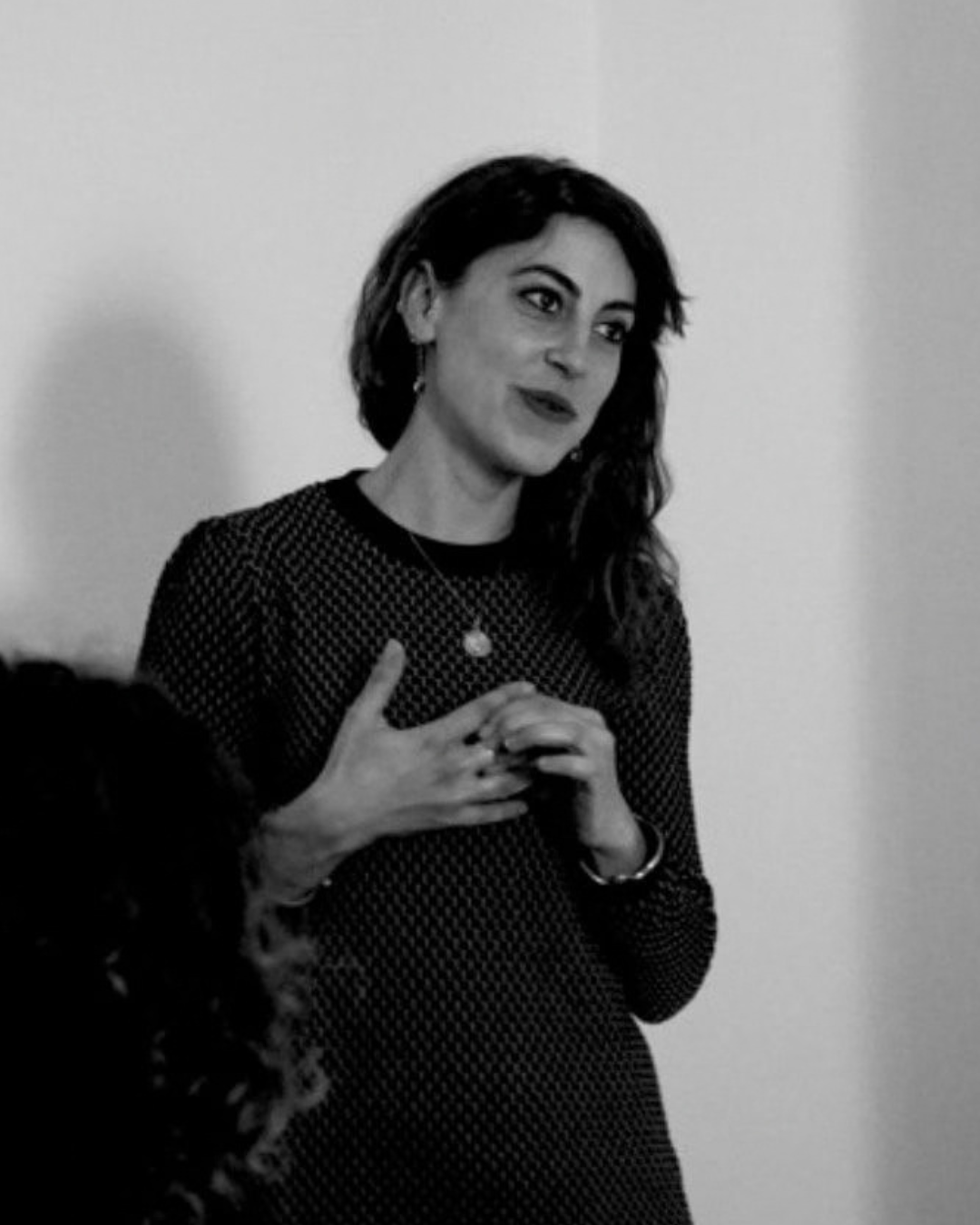 Inas Halabi (b.1988, Palestine) is an Artist/Filmmaker who lives and works between Palestine and the Netherlands. Her practice is concerned with how social and political forms of power are manifested and the impact that overlooked or suppressed histories have on contemporary life. Recent exhibitions and screenings include Smith College Museum of Art, USA (solo 2026), La Loge, Brussels (solo 2025), Brookline Arts Centre, USA (solo 2024) Belgium Luleå Biennial (2024), Hot Docs Canadian International Documentary Festival (2023), de Appel Amsterdam (solo 2023), Showroom London (solo 2022), Europalia Festival, Brussels (2021), Silent Green Betonhalle, Berlin (2021); and Stedelijk Museum, Amsterdam (2020). Her recent work has been supported by Amarte, Amsterdam Fonds Voor de Kunst (AFK), Mondriaan Fund, and Sharjah Art Foundation. She holds an MFA from Goldsmiths College in London.
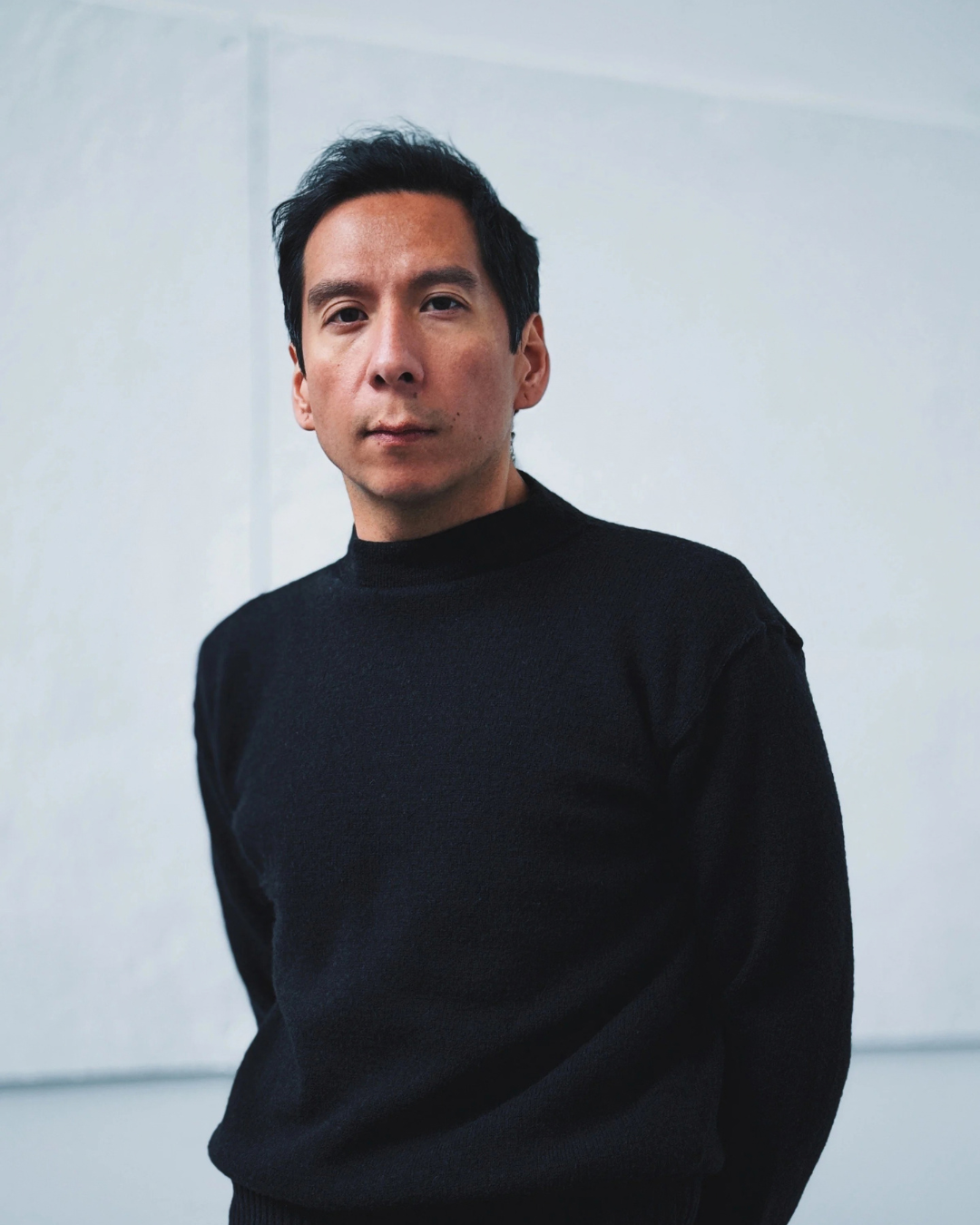
Sky Hopinka (Ho-Chunk/Pechanga) is a filmmaker, visual artist, poet, and curator born in Ferndale, Washington in 1984. His film and video works center around personal positions of Indigenous homeland and landscape, designs of language as containers of culture, and the play between the known and the unknowable. He received a BA from Portland State University (2012), and an MFA in Film, Video, Animation, and New Genres from the University of Wisconsin-Milwaukee (2016). In Portland, he studied and taught chinuk wawa, a language indigenous to the Lower Columbia River Basin. Hopinka’s films, installations, calligrams, and photographs have been widely exhibited at festivals, galleries, and museums around the world, including Centre Pompidou, The Museum of Modern Art, The Solomon R. Guggenheim Museum, Green Gallery, Tate Modern, ImagineNATIVE Festival, Sundance Film Festival, New York Film Festival, The Whitney Biennial (2017), Toronto International Film Festival, and four previous editions of Media City Film Festival. His film Jáaji Approx. had its festival premiere at MCFF and was awarded Third Prize (2014). He is recipient of a Mary L. Nohl Fund Fellowship (2018), Radcliffe Fellowship at the Institute for Advanced Studies at Harvard (2018–2019), Sundance Art of Nonfiction Fellowship (2019), and an MCFF Chrysalis Fellowship (2019–2020) to work on post-production for his debut feature małni—towards the ocean, towards the shore (2020). He is the recipient of a Herb Alpert Award and Guggenheim and MacDowell Colony Fellowships (2020). Hopinka is co-founder of COUSIN, a collective dedicated to supporting Indigenous media artists expanding traditional definitions of the moving image. His publications Around the Edge of Encircling Lake (2018) and Perfidia (2020) are available from Green Gallery and Wendy’s Subway. His work is in private and public collections including The Museum of Modern Art, The Whitney Museum of American Art, Walker Art Center, among others. He is Assistant Professor of Film and Electronic Arts at Bard College in upstate New York.
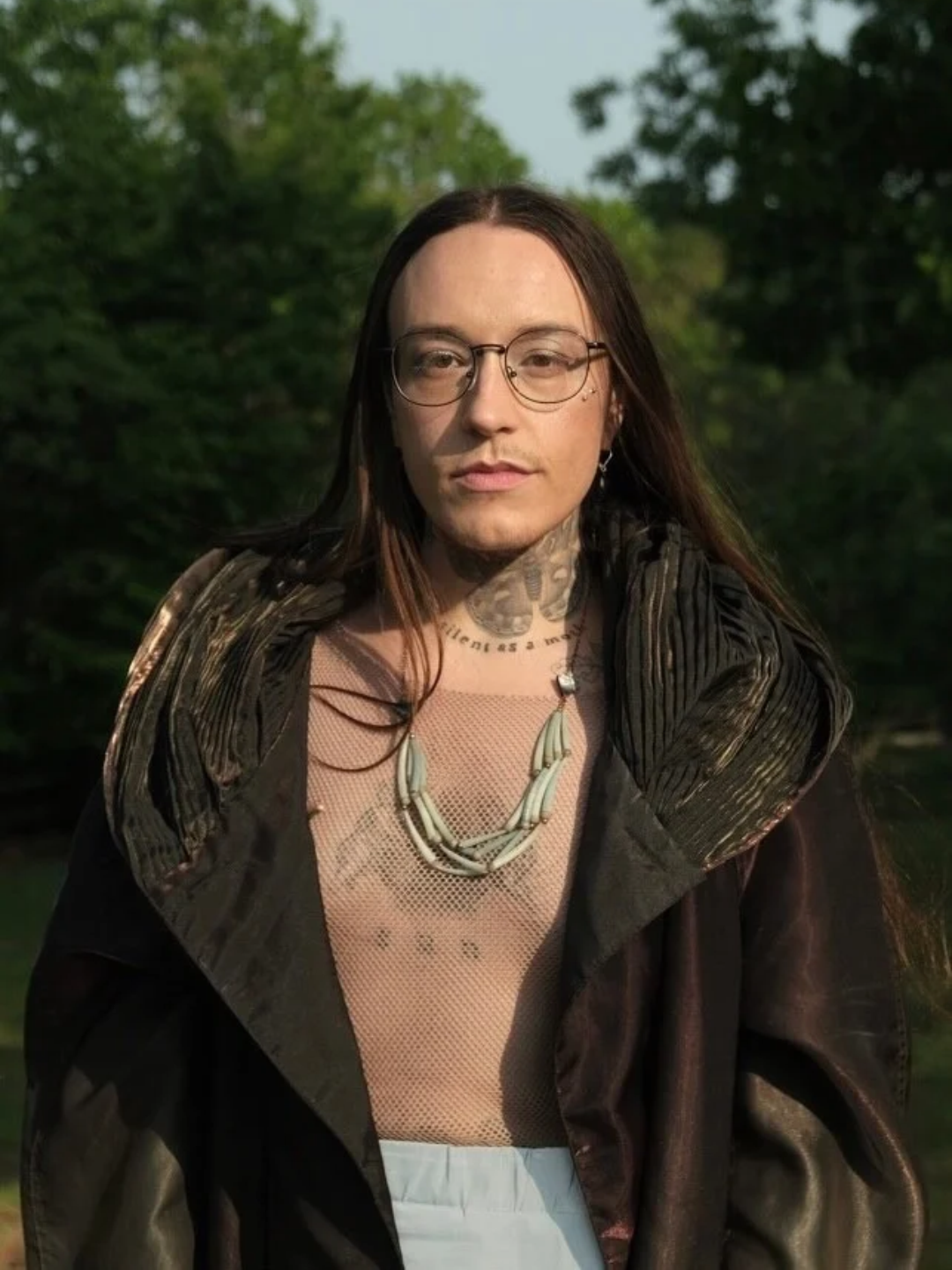 Miller Robinson (it/its/itself) is a trans, two-spirited, gender-non-confirming, antidisciplinary Karuk/Yurok artist and cultural-advisor based between Tongva-Gabrieleno Territory (Los Angeles) and their homelands in Northern California. Since receiving a BFA from Otis College of Art and Design in 2014, Miller has exhibited widely in Los Angeles including the 2023 Made in LA Biennial at the UCLA Hammer Museum, Craft Contemporary Museum, Southwest Museum of the American Indian, Los Angeles Municipal Art Gallery, and Heritage Square Museum amongst others. Miller was a fellow of the 2023 Queer|Art Mentorship program working with artist Jeffrey Gibson and the 2024-5 Leslie Lohman Museum of Art Fellowship. Miller received the Los Angeles Artadia Capital Group Award in 2022 and the Harpo Foundation’s Native American Impact Award in 2025. It is a participant of the Carnegie International 59 in Pittsburgh, Pennsylvania.
Photo by Catching on Theives.
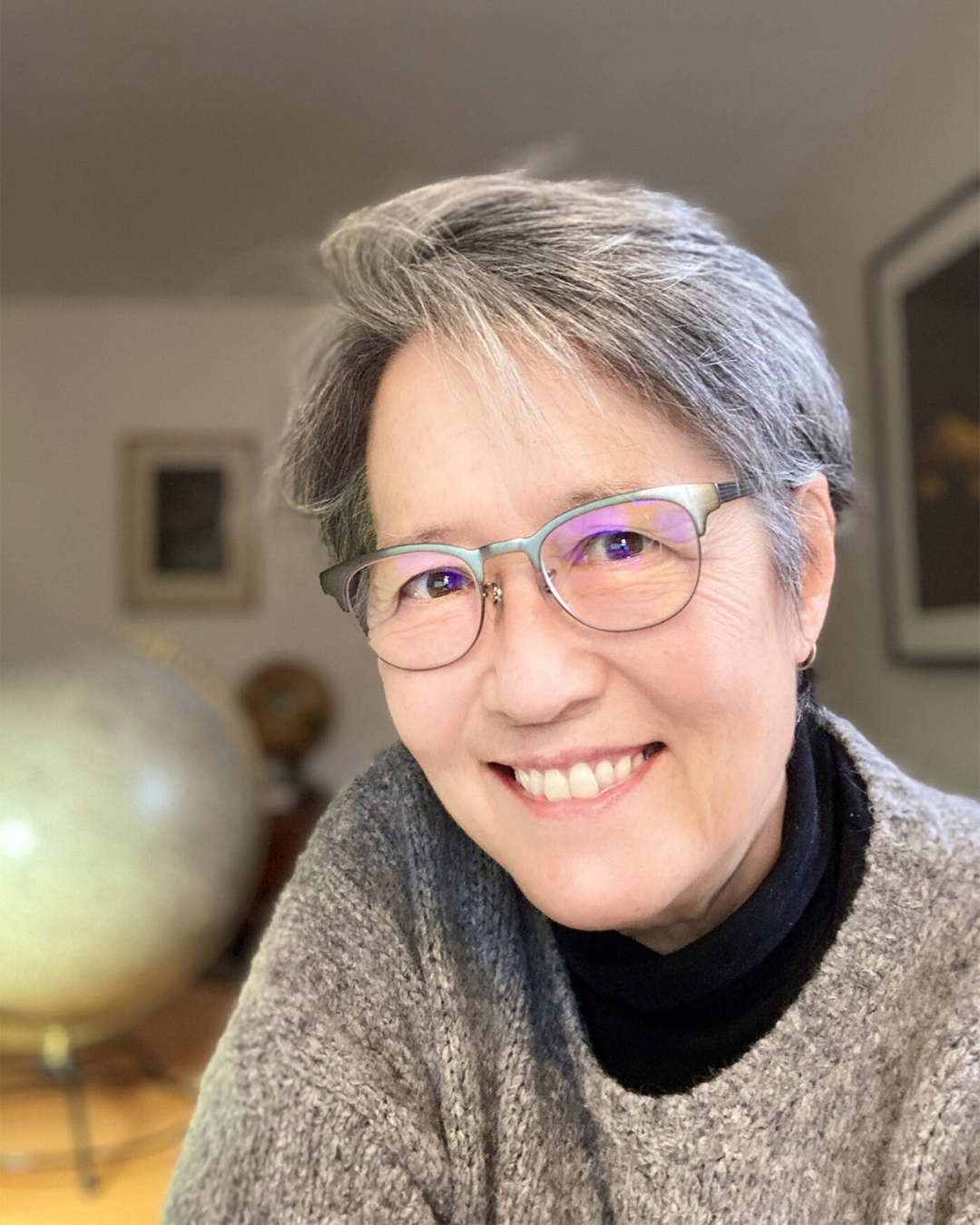
Ruth Ozeki is a writer, filmmaker and Zen Buddhist priest, whose award-winning novels have garnered international critical acclaim for their ability to weave together science, technology, environment, religion, politics and global popular culture in unique and compelling hybrid narrative forms. Her best-selling novel A Tale for the Time Being (2013) won the Los Angeles Times Book Prize and was shortlisted for the 2013 Man Booker Prize and the National Book Critics Circle Award; it has been translated and published in more than 35 countries. Her earlier novels, My Year of Meats (1998), and All Over Creation (2003), were both New York Times Notable Books. Her memoir The Face: A Time Code was published in 2016 by Restless Books. Her latest publication, The Typing Lady and Other Fictions (2026), is a short story collection exploring memory, loss, and language.
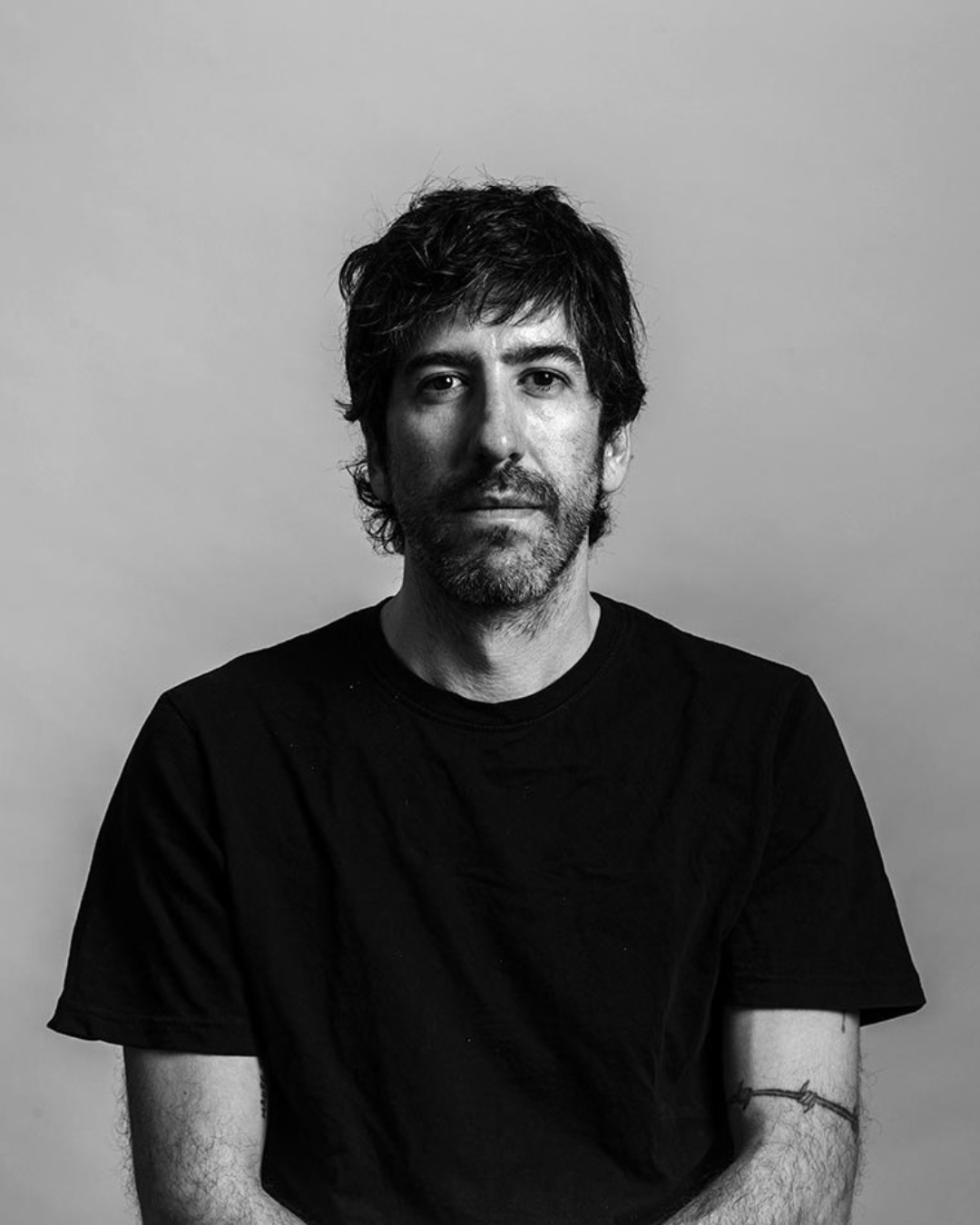
Kyzza Terrazas is a writer and filmmaker, born to Mexican parents in Nairobi, living in Mexico for most of his life. He holds an undergraduate degree in philosophy from the UNAM and an MFA in film from Columbia University. He has published two books of short stories: El primer ojo (1997) and Cumbia y desaparecer (2010). He worked as head of development for Canana Films and has executive-produced several features, including Drama/Mex, Cochochi, Voy-a-explotar, She Doesn’t Want to Sleep Alone, and The Eternal Feminine. From 2010 to 2011, he was head of the Memory Archive at Cineteca Nacional, a collection of orphan, amateur, and family films. As part of this project, he made Carta al ingeniero, a short film made with footage from his grandfather’s film archive. Machete Language, his first feature film as writer/director, premiered in 2011 at the Critics’ Week of the Venice Film Festival. It screened in festivals all over the world, winning, among other prizes, the New Horizons Award at the Whistler International Film Festival in Canada, and the Jury Prize at the Cartagena Film Festival. His second feature, Somos lengua, is a documentary about hip-hop in Mexico; it premiered at FICUNAM in 2016, where it won two awards, and was released commercially in Mexico. Bayoneta, his third feature, is set in the boxing world. A co-production between Mexico and Finland, it premiered at the Rome Film Festival in 2018, won Best Directing at the Málaga Film Festival, and was nominated for six Ariel Awards. Alongside Gael García Bernal and Jorge Dorantes, he created, wrote, and produced Here on Earth (Seasons 1 and 2). He was the head writer and executive producer of Everything Will Be Fine (Netflix), created and directed by Diego Luna, and is the executive producer of Pan y Circo (Amazon). He is head of development and creative production at La Corriente del Golfo.
About the LACE Screening Room
The LACE Screening Room is a moving image series organized by LACE while our home on Hollywood Boulevard is under renovation. Click here for more information on LACE’s gallery.
Support
This program is supported by Teiger Foundation.
Special thanks to the artists and filmmakers, Video Data Bank, Vanessa Salas for the subtitle translations to Spanish, and Cinelounge Sunset for their support while LACE’s Hollywood gallery is under renovation.